What Is the Difference Between Play-Based and Structured Preschool Learning?

The journey into early childhood education can often be filled with choices, and one of the first decisions parents face is selecting between play-based and structured preschool learning. Both philosophies offer unique benefits and approaches to nurturing young minds, but understanding the core differences can help in making informed decisions. Each method caters to different aspects of development and learning styles, leading to diverse outcomes for children.
What Is Play-Based Preschool Learning?
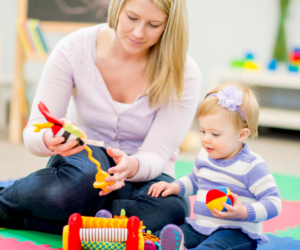
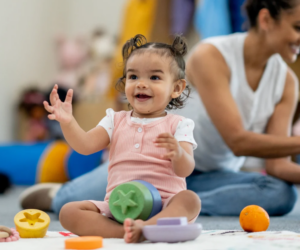
Play-based learning at preschools is designed around the belief that children learn best through play. This approach encourages exploration, imagination, and creativity, allowing children to learn at their own pace and in a way that feels natural to them. Play-based preschools often focus on social skills, problem-solving, and emotional development, providing a balanced foundation that supports natural curiosity and self-directed learning. Parents might find recommendations from friends key when considering this approach; according to Today’s Parent, preschool recommendations from friends should always be the number one item on any list when researching preschool programs.
What Is Structured Preschool Learning?
In contrast, structured preschools emphasize routine and academic readiness through a more formalized curriculum. This approach often includes specific schedules, organized activities, and a focus on pre-academic skills such as literacy, numeracy, and language development. Advocates for structured learning believe that this method prepares children for the more formal educational experiences they will encounter in kindergarten and beyond. By providing a taste of a more organized setting, children may develop discipline and time management skills early on.
How to Choose the Right Approach for Your Child
Both play-based and structured learning environments have their respective advantages, and choosing between them often depends on a child’s individual needs and the parents’ educational goals. According to Today’s Parent, gathering recommendations from friends should be a top priority when researching preschool programs. Firsthand accounts can offer valuable insights into how different methodologies work in practice and how they might align with a child’s personality and learning style. Understanding the pros and cons of each approach, combined with trusted peer insights, aids in making a well-rounded decision.
The choice between play-based and structured preschool learning ultimately comes down to individual preferences and the unique needs of each child. Both models offer valuable opportunities for growth and development, each fostering vital skills that will be useful throughout life. By considering the characteristics of each method and relying on trusted recommendations, parents can find the best fit to nurture their child’s early development and love for learning. If you’ve been looking for preschools for your little one, visit us today at ICS Coral Gables!
Related Posts