How Does Preschool Help Children Who Are Shy in Group Settings?
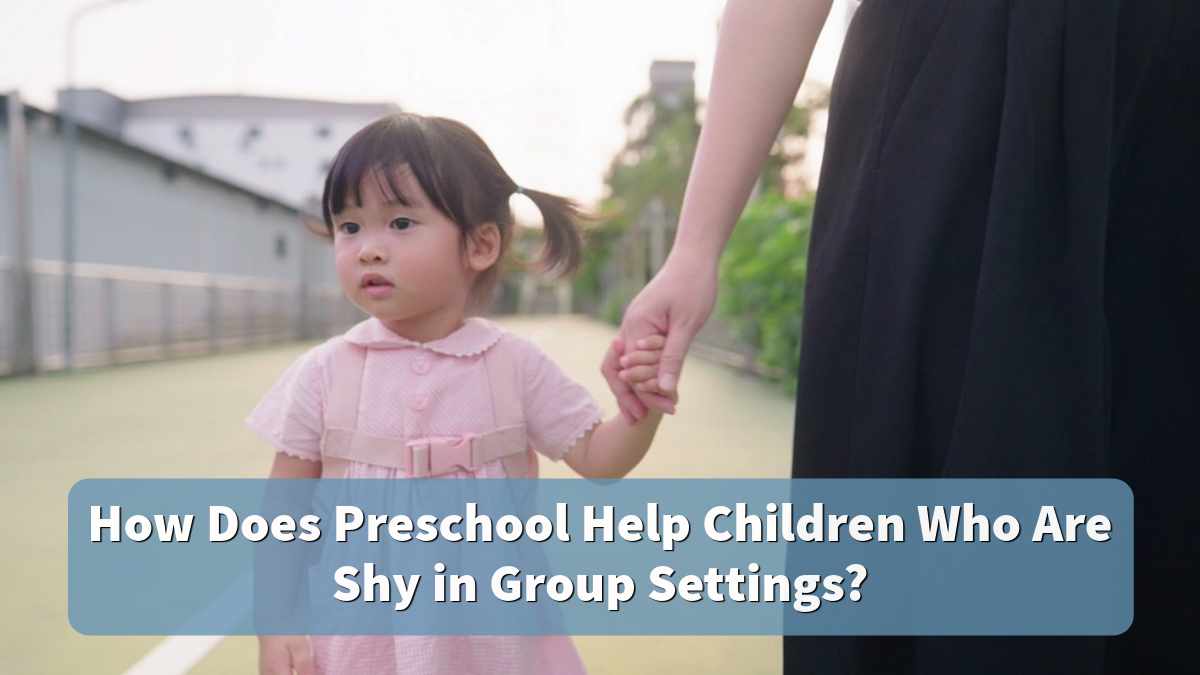
Starting school can feel overwhelming for those who are naturally shy or hesitant around unfamiliar people. Group activities, classroom conversations, and meeting new friends may take time to feel comfortable. A supportive preschool program can help young learners build confidence, develop social skills, and participate at their own pace. With patient teachers and positive experiences, they can gradually feel more secure in group settings. In this article, we explore how preschool encourages social development, builds confidence, and helps shy students form meaningful friendships.
Building Confidence Through Small Group Activities
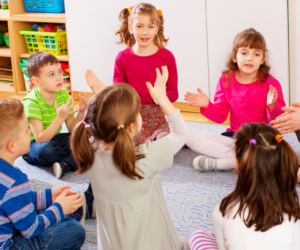
A preschool program introduces students to group settings through structured activities that encourage participation without putting too much pressure on them. Teachers may begin with small groups, simple games, or collaborative art projects that allow everyone to interact with just a few classmates.
These experiences help students become familiar with sharing materials, taking turns, and expressing their ideas. As they grow more comfortable, they may feel ready to contribute more frequently during larger classroom activities.
Developing Social Skills Through Everyday Interactions
Daily classroom routines provide natural opportunities for young learners to practice communicating with others. A preschool program encourages them to greet classmates, ask questions, listen to others, and work together toward shared goals.
Teachers can model friendly behavior and gently guide shy students through unfamiliar social situations. Rather than forcing anyone to speak before feeling ready, educators can offer encouragement and recognize small steps forward. These interactions help students understand that connecting with others can be enjoyable and rewarding.
Creating a Safe and Supportive Environment
Feeling safe is essential for students who struggle with unfamiliar social situations. Consistent routines, caring teachers, and predictable expectations can help shy learners feel more secure throughout the school day.
According to ThoughtCo, private schools educate approximately 5.5 million students, highlighting the number of learners attending private educational institutions. Within a supportive preschool program, positive classroom experiences can help shy students feel accepted while learning how to participate comfortably.
Encouraging Friendships and Independence
Friendships often develop gradually, especially for those who need extra time to warm up to others. Teachers can encourage connections by pairing students with compatible classmates and providing opportunities for cooperative play.
A preschool program also helps young learners practice making choices, asking for assistance, and solving simple disagreements. These experiences strengthen independence and give them more confidence in their ability to manage social situations.
Shy students can thrive when they receive patience, encouragement, and opportunities to build relationships at their own pace. A nurturing preschool program supports social growth while helping them feel comfortable expressing themselves and participating in group activities. At International Children’s School, students can develop confidence, practice social skills, and build meaningful friendships in a supportive learning environment. Contact International Children’s School today to learn more about our preschool programs.
Related Posts