How Daycare Activities Encourage Language Development
Language development begins long before children can form complete sentences. Everyday interactions, playful activities, and conversations help young children learn new words and express their needs. Daycare provides opportunities to practice these skills through structured learning and social experiences. When choosing a daycare, parents can consider how daily activities support early communication. In this article, we explore how storytelling, group play, music, and daily routines encourage language development.
Learning Through Stories and Reading
Reading aloud introduces children to new vocabulary, sentence structures, and different ways to describe the world around them. Teachers can encourage participation by asking simple questions, pointing to pictures, and inviting children to name familiar objects. Even infants benefit from hearing a caregiver’s voice and listening to the rhythm of spoken language.
These experiences can be an important consideration when choosing a daycare because regular exposure to stories and conversations helps children become familiar with new words. Repeated readings also help children connect language with objects, actions, and everyday experiences.
Building Vocabulary Through Play
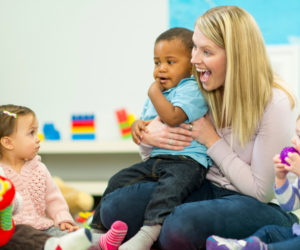
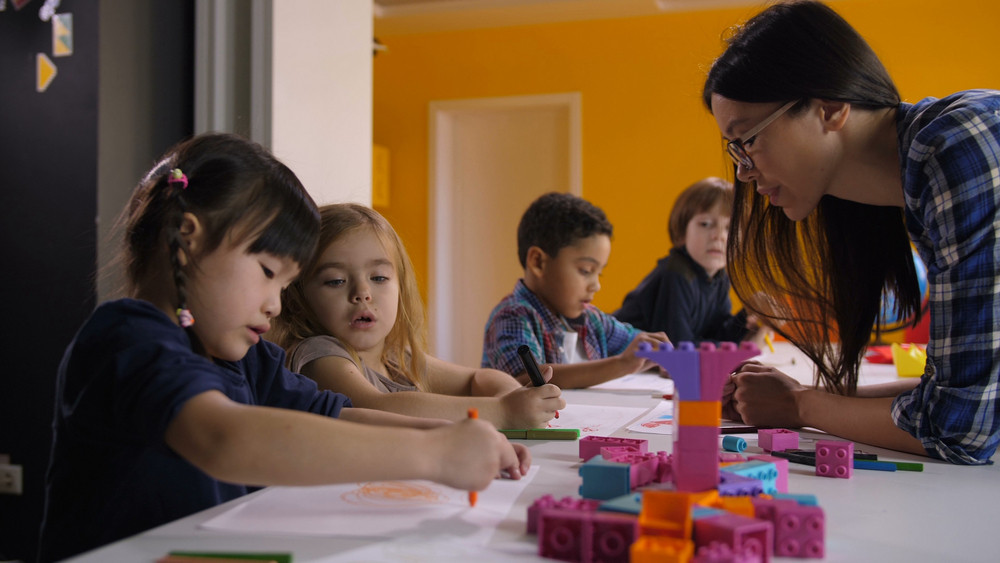
Play gives children natural opportunities to communicate with caregivers and peers. Building with blocks, playing with toy animals, and participating in pretend activities encourage children to describe what they are doing, ask questions, and learn new expressions.
Caregivers can support these conversations by introducing relevant words and responding to children’s attempts to communicate. When choosing a daycare, parents can look for environments that encourage interactive play and age-appropriate communication. These experiences help children practice listening, taking turns, and expressing their thoughts. As children grow, imaginative play can encourage longer conversations and more detailed storytelling.
Developing Communication Through Music and Routines
Songs, rhymes, and fingerplays help children recognize sounds, repeat words, and develop listening skills. Repetitive lyrics make language familiar, while hand movements and gestures help younger children connect words with meaning. Parents choosing a daycare can ask about opportunities for children to participate in music and movement activities throughout the day.
Daily routines provide additional learning opportunities. During meals, diaper changes, and cleanup, caregivers can name objects, describe actions, and encourage children to respond. According to Today’s Parent, children generally begin understanding the concept of time around ages four to five. Consistent routines and simple explanations about what happens next can help preschoolers develop this understanding alongside their language skills.
Daycare activities create meaningful opportunities for children to hear language, practice new words, and build communication skills at their own pace. From reading stories to singing songs and interacting with peers, everyday experiences can support progress over time. When choosing a daycare, parents can prioritize programs that incorporate engaging activities and meaningful conversations into daily routines. Explore our quality daycare program at International Children’s School to learn how our activities can support your child’s growing communication skills.
Related Posts