The Role of Music and Arts in a Preschool Curriculum
In recent years, the emphasis on music and arts in education has witnessed a resurgence, particularly in preschool curricula. The formative years of early childhood are critical for developing a child’s cognitive, emotional, and social foundations. Including music and arts in the preschool curriculum not only nurtures creativity but also enhances children’s overall developmental skills. These creative disciplines offer unique opportunities for self-expression and play a significant role in shaping young minds. Understanding the impact of music and arts on early childhood development is essential for educators and parents alike.
Supporting Cognitive Development Through Creative Learning
Music and arts foster cognitive development by stimulating various areas of the brain. When children engage with music, it enhances their memory, attention, and critical thinking skills. Singing and playing musical instruments require concentration and focus, which bolsters a child’s ability to process complex information. Similarly, engaging in art activities enables children to explore concepts such as color, shape, and spatial relationships. These activities develop essential problem-solving skills and lay the groundwork for future academic success in subjects like math and science.
Building Emotional Intelligence and Social Skills
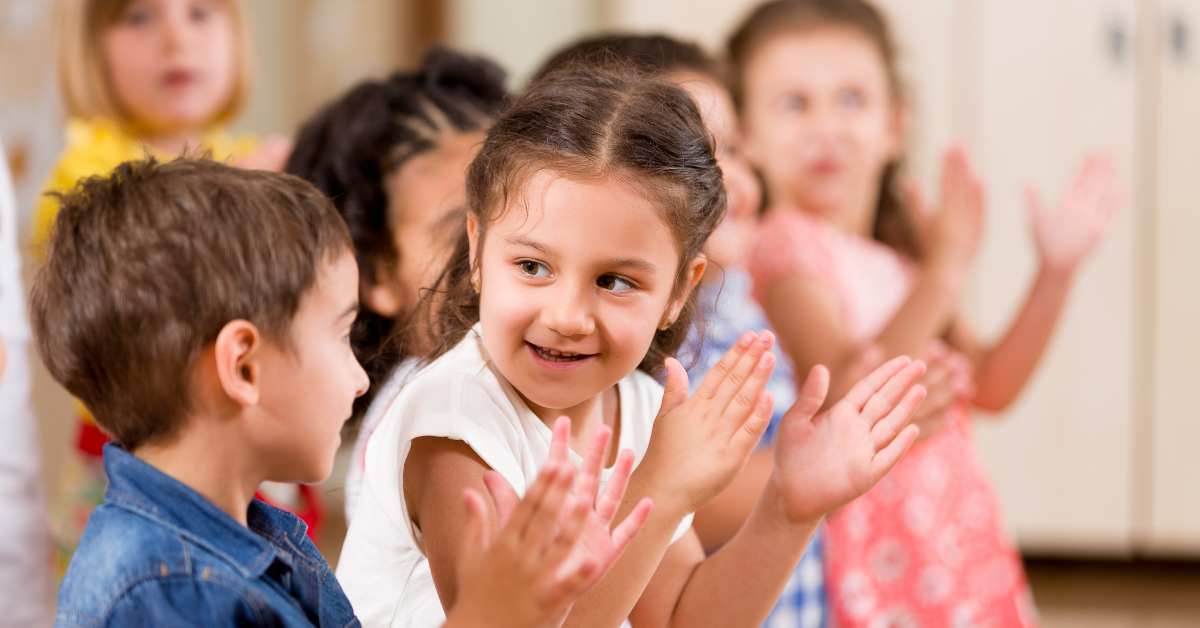
The inclusion of music and arts in the curriculum also enhances emotional intelligence among preschoolers. Art allows children to express their emotions non-verbally and explores their understanding of their inner world. Through music, children experience and convey emotions in a safe and nurturing environment. Activities such as group singing and collaborative art projects promote empathy and social interaction, aiding in the development of communication skills. In fact, many private schools, which account for 24% of the nation’s schools and enroll 10% of all PK-12 students, according to Cape, recognize the benefits of these creative disciplines and make them a core part of their educational programs.
Encouraging Cultural Awareness and Creative Expression
Furthermore, engagement with music and arts cultivates cultural awareness and appreciation from a young age. Children are exposed to diverse cultures and historical contexts through various musical styles and art forms. This exposure broadens their perspective and fosters an appreciation for diversity. Through artistic exploration, children learn about the world around them, which helps them become more open-minded and adaptable individuals. Incorporating cultural elements into music and art education is a powerful way to connect children to their heritage and inspire pride in their backgrounds.
Integrating music and arts into a preschool curriculum is crucial for fostering a well-rounded development. By enhancing cognitive and emotional skills, promoting cultural awareness, and encouraging creative expression, these subjects lay a robust foundation for future learning and personal growth. As educators and parents seek to provide early childhood experiences that are enriching and supportive, the inclusion of music and arts should remain a priority. Ultimately, the benefits of music and arts extend beyond the classroom, impacting the holistic development of children and preparing them to thrive in all aspects of life. Visit us at ICS Coral Gables to learn more!
Related Posts