How Teachers Support Different Learning Styles in Private Preschool Programs
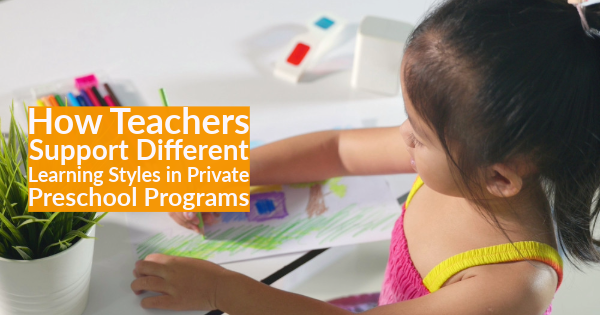
Every child approaches learning differently. Some young learners enjoy hands-on activities, while others respond especially well to stories, movement, music, or visual materials. In effective preschool programs, teachers recognize these differences and create opportunities for children to learn in ways that match their individual interests, strengths, and developmental needs. According to the Council for American Private Education, private schools make up 24% of schools nationwide and enroll about 10% of all PK-12 students. In this article, we will explore how teachers can support different learning preferences in a nurturing early education environment.
Using Hands-On Learning Experiences
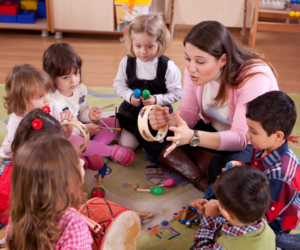
Young children often learn by doing. Teachers in preschool programs can incorporate hands-on activities such as art projects, building exercises, science experiments, sensory play, and classroom projects. These experiences allow young learners to explore concepts through touch, movement, and direct participation rather than relying solely on verbal instruction.
At International Children’s School, students participate in project-based and integrated learning, with meaningful activities connected to monthly classroom themes. The school emphasizes hands-on experiences as an important part of how young ones learn.
Incorporating Movement and Creativity
Movement can also play an important role in early childhood education. Teachers may use dancing, creative movement, physical activities, songs, and interactive games to help children stay engaged while developing physical and cognitive skills. Preschool programs that include opportunities for movement can give active learners another way to participate in classroom experiences.
Creative activities can support children who enjoy expressing themselves through drawing, music, dramatic play, or other forms of artistic exploration. By offering several ways to participate, teachers can encourage students to discover activities that naturally capture their attention.
Supporting Language and Social Learning
Some children thrive through conversation, storytelling, group activities, and social interaction. Teachers can support these learners by reading stories aloud, encouraging classroom discussions, asking questions, and providing opportunities for young learners to collaborate with classmates. Preschool programs can also incorporate language activities into everyday routines, helping students build communication skills while learning about new concepts.
International Children’s School takes a broad approach to development, supporting children’s linguistic, physical, creative, social, cognitive, and academic growth.
Creating a Flexible Learning Environment
The most effective preschool programs understand that children do not always fit neatly into one learning category. A child may enjoy hands-on activities one day and prefer listening to a story or participating in group movement the next. Teachers can observe a student’s responses and adjust activities accordingly.
By providing varied experiences, preschool programs can create classrooms where children have multiple opportunities to understand, practice, and enjoy new concepts.
If you are looking for an early learning environment that values individual strengths and provides enriching experiences, contact International Children’s School to learn more about its programs and schedule a visit.
Related Posts