Why Bilingual Education Matters in Early Childhood
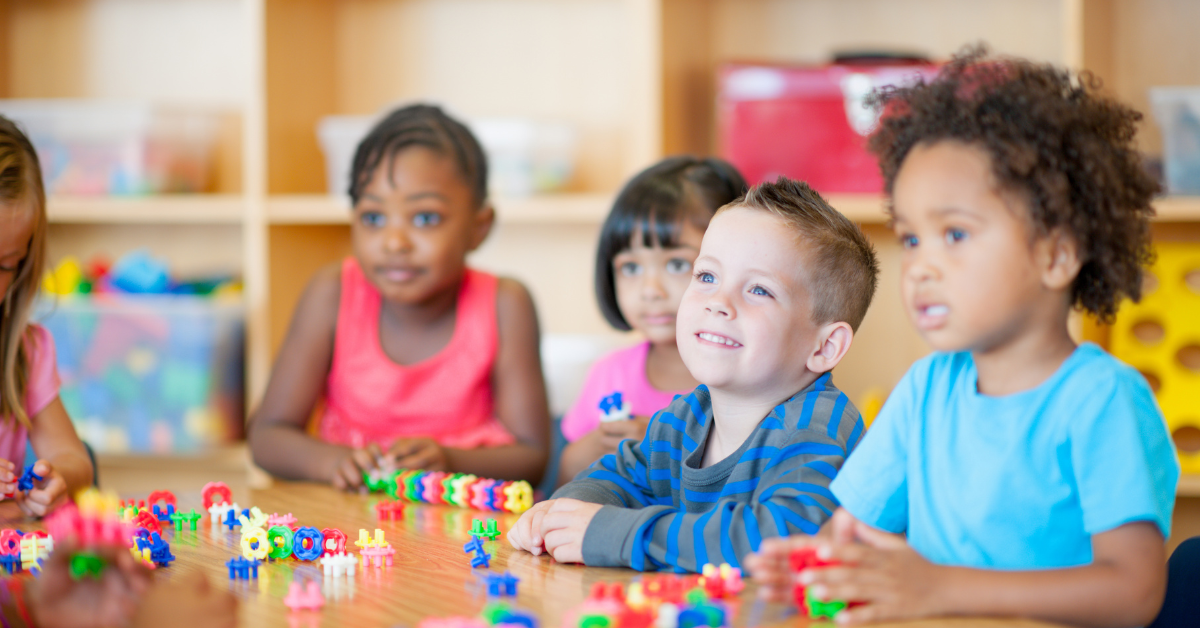
The value of bilingual education in early childhood cannot be overstated. As our world becomes increasingly interconnected, the ability to speak more than one language is a useful skill. Early childhood is a crucial time for introducing languages, making it the perfect stage to begin bilingual education. This period of cognitive flexibility and rapid learning is ideal for setting the foundation for a lifelong bilingual ability.
Cognitive Development Benefits of Early Bilingual Learning
Cognitive benefits are among the most compelling reasons for bilingual education in young children. Research indicates that bilingual children demonstrate greater problem-solving skills, creative thinking, and mental flexibility compared to monolingual peers. These advantages extend into adulthood, providing learners with enhanced abilities to navigate complex problems and tasks with ease. The development of these cognitive skills indicates that bilingual education can lay the groundwork for academic and professional success.
Early Language Exposure and Natural Fluency
Language learning is also about developing excellent pronunciation and fluency. Research by Granena, G., & Long, M. H. has consistently shown that there is a specific window of opportunity during childhood for developing native-like pronunciation. While it is not impossible for an adult learner to sound like a native speaker, it is much more likely if you start learning the second language before you hit puberty, or even better, before age six. Since young children are adept at mimicking sounds and patterns, this stage maximizes their potential to speak a second language fluently, making the value of bilingual education one of the many benefits of preschool.
Building Cultural Awareness and Empathy From a Young Age
Bilingualism in early childhood also promotes cultural awareness and empathy. Being exposed to multiple languages often involves exposure to diverse cultures, fostering open-mindedness and tolerance. Such exposure helps children appreciate cultural differences, understand global perspectives, and develop empathy towards others, which are invaluable traits in a multicultural world. Early bilingual education, one of the many benefits of preschool, can therefore contribute to shaping socially conscious individuals.
Bilingual education in early childhood provides numerous long-term benefits, ranging from cognitive advantages to enhanced cultural understanding. Recognizing the critical window of opportunity for language acquisition ensures that children are given the best possible chance to become proficient in more than one language. As society continues to embrace multiculturalism, nurturing bilingual skills from an early age is an investment in our children’s future, equipping them with the tools needed for a globalized environment. Visit us at ICS Coral Gables to learn more about the many benefits of preschool and the value of bilingual education!
Related Posts