Singing, Speaking, and Storytelling: Language Growth in Preschoolers
Language development in preschoolers is a fascinating journey of exploration and discovery. At this crucial stage, children transition from babbling to forming words, from listening to expressing themselves, and from understanding to storytelling. Encouraging this growth through simple activities like singing, speaking, and storytelling supports their cognitive and social development. By providing a preschool environment rich in language, parents and educators can significantly impact a child’s communication skills and overall success in school and life.
The Power of Singing
Singing is a magical tool in language acquisition for young children. It introduces them to new vocabulary and improves memory and comprehension skills. According to Today’s Parent, children combining words into simple sentences and singing nursery rhymes are common language milestones by age three. The repetitive nature of songs and rhymes helps preschool children internalize linguistic patterns and build their confidence in using language independently. Incorporating singing into daily routines can make learning enjoyable and interactive for children.
Engaging in Everyday Conversation
Speaking and engaging with children in everyday conversation are critical components of language growth. Regularly talking with toddlers, even before they fully understand or can respond properly, encourages speech development. As caregivers describe their actions or explain what they observe, children absorb sentence structure and vocabulary. Prompting children to express their thoughts and feelings also facilitates language practice, helping them gain the skills to articulate their experiences and build a foundation for effective communication.
Storytelling and Creativity
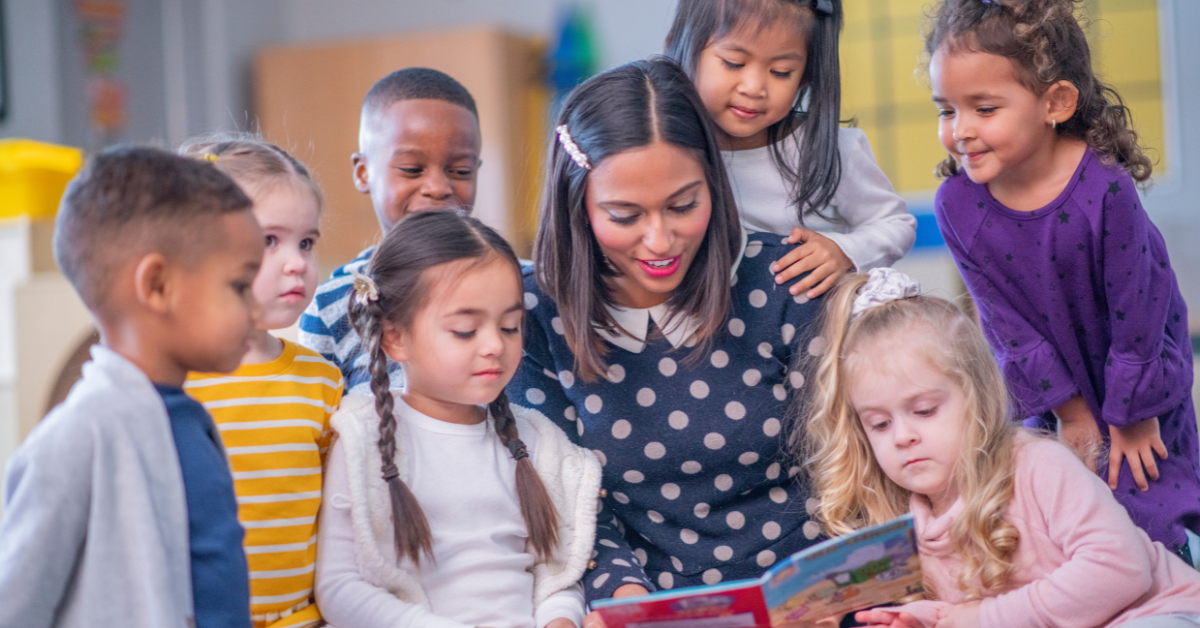
Storytelling is another powerful way to nurture language development in preschoolers. It sparks imagination, enhances listening skills, and increases vocabulary. Asking children to retell stories with their own flair further promotes creativity and linguistic expression. The interactive nature of storytelling, where children actively participate in creating and reenacting narratives, reinforces their understanding of language as a dynamic tool for interaction and expression. Storytelling activities in preschool settings can also foster group participation and teamwork.
Fostering Language Growth
Creating an environment that encourages singing, speaking, and storytelling can significantly foster language growth in children. Each of these activities supports different aspects of their burgeoning communication skills and lays a strong foundation for future learning. The journey of language development in the early years is as rewarding as it is essential, forming the basis for lifelong communication abilities. If you’re interested in learning more about supporting preschool language development, contact International Children’s School.
Related Posts