Is Your Child Ready for Preschool? Why Development Matters More Than Age
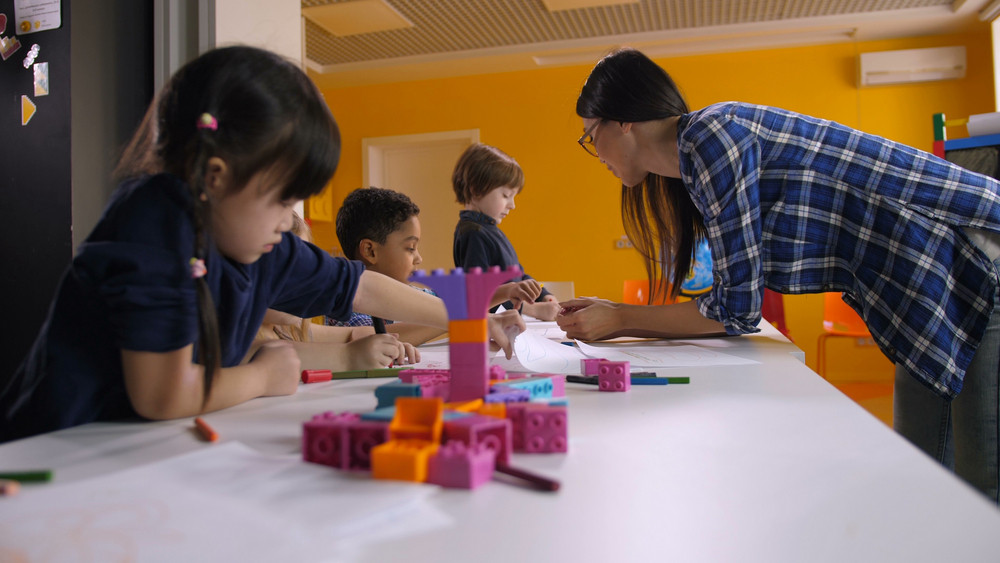
Parents often ask the same question when preschool gets closer: Is my child old enough? Age matters, but it is not the only thing that matters. According to Today’s Parent, some children enter preschool as early as two and a half and as old as four; readiness depends on individual development, not just age. That means your child’s confidence, communication, independence, and comfort with routine can tell you more than a date on the calendar.
Watch How Your Child Handles Separation
Preschool often brings one of a child’s first regular experiences away from home. Your little one does not need to say goodbye without emotion, but they should be able to settle with support from a caring adult. If your student can recover after a short separation, that may be a good sign that they are ready for a classroom setting.
One of the benefits of preschool is that it helps children build trust outside the home. They learn that parents return, teachers are there to help, and school can feel safe. This confidence usually grows through gentle practice, not pressure.
Look for Social Curiosity
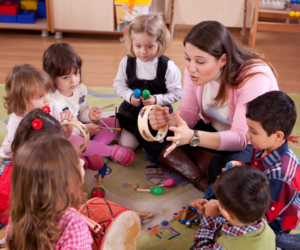
Children do not need perfect social skills before preschool. Sharing, waiting, and taking turns are skills they are still learning. What matters more is whether your student shows interest in other students, group play, songs, stories, or simple classroom activities.
One of the benefits of preschool is daily social practice in a guided environment. Children learn how to listen, join activities, express feelings, and handle small conflicts with adult support. These early experiences can make future school settings feel more familiar.
Consider Communication and Independence
A preschool-ready child should be able to communicate basic needs in some way. This might mean using words, gestures, short phrases, or simple responses. Teachers can support children at different language stages, but communication helps children feel understood and safe.
Small independence skills also help. Washing hands, eating a snack, putting away toys, or trying to put on a coat are all useful steps. One of the benefits of preschool is that students continue building these skills with encouragement and patience.
Think About Energy and Routine
Preschool days include play, transitions, snacks, stories, movement, and rest. Your student does not need to sit still for long periods, but they should be able to participate in a simple routine with support. Curiosity and stamina matter because preschool is active, social, and hands-on.
At International Children’s School, we understand that every student develops at their own pace. Our team helps families recognize the benefits of preschool while creating a warm setting where children can grow with confidence. Contact us to learn whether our preschool program may be the right fit for your child.
Related Posts