Understanding Preschool Play Stages and Why Each One Matters
Every child grows and develops through play, a vital aspect that shapes their cognitive, social, and emotional well-being. Observing how a child plays can give parents and preschool caregivers insights into their developmental progress. Understanding these play stages is essential because each stage lays the groundwork for more complex social interactions and learning in later life.
How Early Play Builds Independence and Problem-Solving Skills
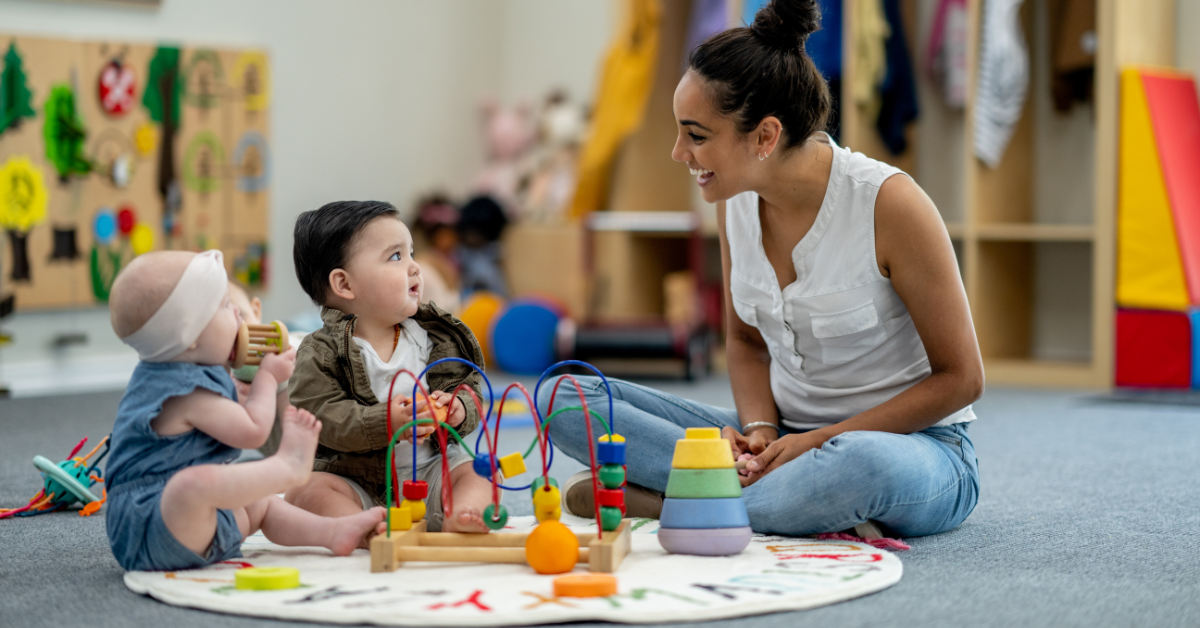
Initially, children engage in unoccupied and solitary play, which is crucial for developing fine motor skills and individual creativity. Unoccupied play involves random movements and observations to understand their surroundings. As they transition to solitary play, children begin to focus more on their activities, exploring toys and objects on their own. According to Parents, children progress through the six stages of play before they’re five years old, including unoccupied play, solitary play, onlooker play, parallel play, associative play, and cooperative play. These early stages encourage self-sufficiency and help in building problem-solving skills.
Why Parallel and Associative Play Support Social Growth
As children continue to grow, they naturally gravitate towards parallel and associative play around ages two and three. In parallel play, children play alongside each other in preschool, but not directly with each other, creating an environment where they can observe and learn from their peers’ actions without the pressure of joint collaboration. This type of play is essential for nurturing observational skills and gradually building comfort in social settings. As they shift into associative play, little ones begin to interact more with each other, sharing toys and ideas, which sparks curiosity and fosters communication abilities.
How Cooperative Play Helps Children Learn to Work Together
Ultimately, the play stages culminate in cooperative play, where children truly begin to play together, collaboratively creating stories and games around the ages of four and five. In this stage, children learn the fundamentals of cooperation, negotiation, and teamwork. The development of these skills is critical for their ability to function effectively in group settings, both in school situations and beyond. Cooperative play lays the foundation for long-lasting friendships and social networks as children learn to appreciate different perspectives, roles, and responsibilities within a team.
Understanding the distinct stages of preschool play helps caregivers support each phase of development effectively, ensuring that children have the appropriate experiences to stimulate growth. By nurturing these different stages, parents and educators can provide children with the tools they need to become socially adept and emotionally resilient individuals. As children progress through each stage of play, they not only develop crucial life skills but also enjoy a fulfilling journey of self-discovery and interaction with the world around them. To learn more from our preschool, call us today at ICS Coral Gables.
Related Posts