How to Support Your Child’s Social Skills During the Preschool Years
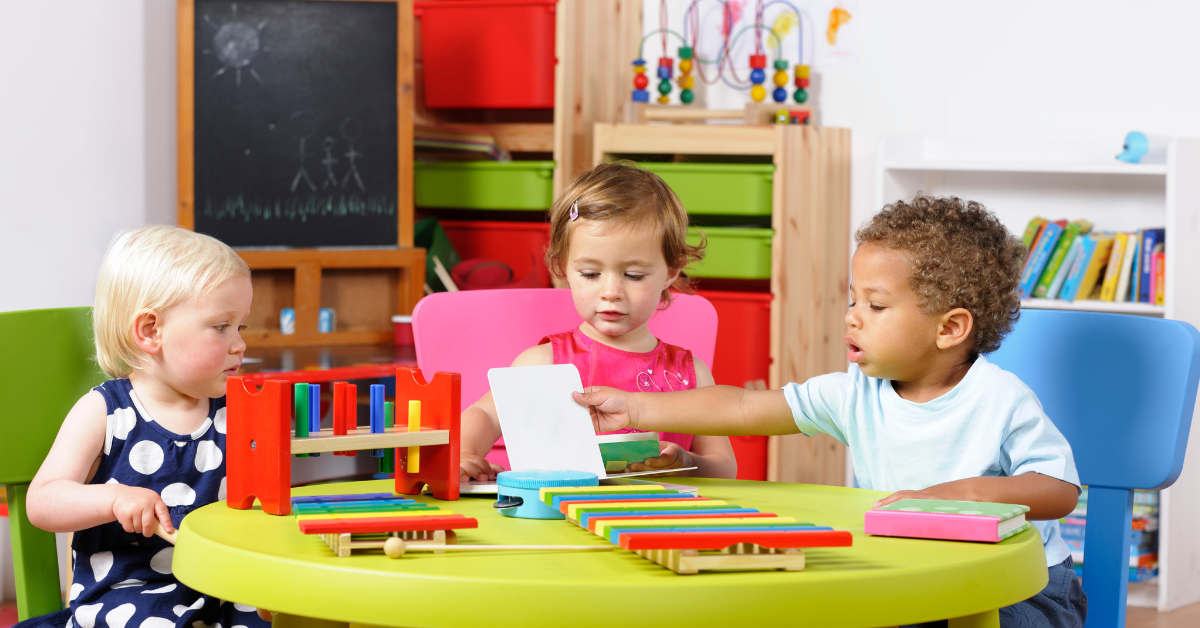
The preschool years are a formative time for helping children develop strong social skills that will support them throughout childhood and beyond. At this age, children are learning how to share, collaborate, communicate, and build friendships—skills that serve as the foundation for future academic and social success. According to The Classroom, 36% of private schools averaged student-teacher ratios of 10:1 or lower, allowing young learners to receive more individualized guidance during these important early interactions. With the right support at home and in a nurturing preschool environment, children can learn how to navigate social situations confidently and respectfully. Parents play a key role in reinforcing these skills, helping their children feel secure as they explore the world of friendships and group play.
Encouraging Positive Communication
Strong communication skills begin with everyday conversations. Encourage your child to express their thoughts, describe their feelings, and ask questions during daily routines. Preschool environments help reinforce this by giving children structured opportunities to talk with teachers and peers. When children learn to communicate clearly and respectfully, they feel more confident engaging in group settings and forming meaningful relationships.
Teaching Cooperation and Sharing
Preschool is one of the first places where children consistently practice taking turns, sharing materials, and working toward shared goals. Parents can support these skills by incorporating cooperative play at home, such as board games, team-based activities, or simple tasks that require taking turns. Reinforcing these habits outside the classroom helps children understand that cooperation is a natural part of social interaction, not just a school expectation.
Helping Children Navigate Emotions
Understanding and expressing emotions appropriately is a large part of social development during the preschool years. Parents can help by naming feelings, modeling calm emotional responses, and teaching simple coping strategies like deep breathing. Preschool teachers often guide children through moments of frustration or excitement, helping them recognize emotions in themselves and others. When children learn how to handle their feelings, they become more empathetic and better equipped to resolve conflicts peacefully.
Supporting your child’s social skills during the preschool years sets the stage for strong friendships, emotional confidence, and a positive school experience. Families seeking a nurturing environment that helps young learners grow socially and academically will find that International Children’s School creates a warm, supportive foundation for every child’s development.
Related Posts